Stained Glass Energy Efficiency for Houston: Insulation Benefits
Anyone who has spent a July afternoon in Houston knows that the sun here does not ask permission. It pours through every clear pane in the house, and by mid-summer the air conditioner is working overtime to undo the heat that plain glass lets in. When homeowners ask us whether a stained glass Houston installation is purely decorative or whether it can actually help the house perform better, the answer is more interesting than most people expect. A well-built leaded panel changes how light, heat, and air move through a room, and in a Gulf Coast climate that matters in ways you can feel.
How a Leaded Panel Changes the Window Equation
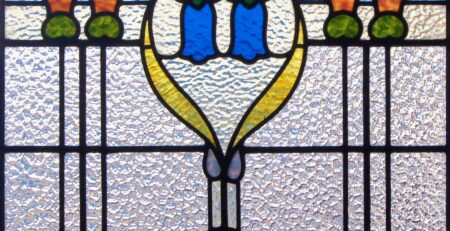
A traditional stained glass panel is not a single sheet of glass. It is a lattice of lead cames holding dozens of individual pieces, and that structure behaves differently from a flat pane of clear glass. The lead and the varied glass densities scatter and soften direct sunlight, so instead of a focused beam warming your flooring and furniture, the light arrives diffused. That alone reduces the sharp solar gain that makes west-facing rooms unbearable in Houston afternoons.
Where we really help with energy performance is in how we mount the panel. We typically install our stained glass Houston work as an interior layer in front of an existing window, leaving a sealed airspace between the artwork and the outside glass. That gap functions much like the airspace in insulated glazing, adding a buffer that slows heat transfer into the room. The exterior window takes the brunt of the sun, the airspace breaks the conduction path, and the stained panel lets in colored light without the full thermal punch.
Houston Climate Realities That Stress Plain Glass
Houston’s cooling season is long, humid, and unforgiving. In a cooling-dominant climate like ours, the solar heat gain through untreated windows is the single biggest driver of air conditioning load. Clear glass has a high solar heat gain coefficient, meaning a large fraction of the sun’s energy passes straight through. Humidity compounds the problem: when warm moist air hits a cooler interior pane, condensation forms, and over time that moisture degrades wood sashes and encourages the kind of wear that older Houston homes know all too well.
A stained glass panel installed with a sealed airspace cuts both problems at once. It lowers the solar heat gain reaching the living space, so the AC runs less, and it keeps the interior face of the original window warmer, which reduces condensation. We have seen historic homes in the Heights and Montrose where a thoughtfully designed panel quietly solved a fogging entryway that the owner had been fighting for years.
Where Stained Glass Adds the Most Insulation Value
Not every window in a Houston home benefits equally. The biggest gains tend to come from the openings that take the most sun or cause the most discomfort:
- South- and west-facing entries. A front door with clear sidelights and a transom is a heat funnel in the afternoon. A leaded panel in those openings softens the glare and blocks direct gain while still welcoming guests with light.
- Bathroom windows. These small, hard-to-cover windows fog easily in our humidity. A custom panel gives privacy without curtains that trap moisture, and the airspace behind it cuts condensation.
- Stairwell and landing windows. Tall, hard-to-reach panes that nobody wants to curtain become easier to live with when a stained panel controls the light and the heat in one move.
If you want a broader look at where glass pays off beyond a single room, our write-up on stained glass window benefits walks through the value across the whole house.
Our Energy-smart Design Approach
Energy performance starts at the design bench, not at the install. When we plan a panel for a Houston home, we think about orientation first. A west-facing entry gets a denser field of jewel tones and textured glass that breaks up afternoon sun, while a shaded north-facing bath can use lighter, more open patterns that maximize available daylight so the room does not need artificial light during the day. Choosing glass by how it transmits heat and light, not just by color, is part of what makes our stained glass Houston panels feel right in the space.
Then comes the build. We size the lead cames and the reinforcing bars to the span, we seal the airspace against our humid air, and we set the panel so it can be cleaned and inspected without disturbing the original window. Everything we do is framed as how we build it, not a weekend project. Stained glass is heavy, fragile, and unforgiving of a wrong cut, and a panel that protects a window for decades has to be engineered from the start to do exactly that.
It is fair to wonder whether the investment returns over time. We addressed that question head-on in our article on whether stained glass pays for itself, and the short version is that the value shows up in comfort, privacy, curb appeal, and lower cooling strain, not in a single line item.
A Panel That Works as Hard as It Looks
Stained glass does not replace a modern energy-efficient window, and we never pretend it does. What it does is take a window you already have, often a clear pane that is letting in too much heat and too little privacy, and make it work harder for the room. The colored light is what people notice first. The reduced glare, the softer temperature, the drier glass on a humid morning, and the quiet privacy, those are the benefits people tell us about months after we leave.
Reach Out to Houston Stained Glass for a Consultation
If you have a window that runs hot, fogs up, or simply gives you more glare than you want, we would welcome the chance to look at it with you. Houston Stained Glass designs, builds, and installs custom panels built for Gulf Coast homes, and we can show you how the right piece can bring light into your space while helping it hold its cool. Reach out for a consultation and we will help you see what is possible for your home.